Is All Blue-Green Algae Toxic to Pets? Why You Cannot Tell by Looking
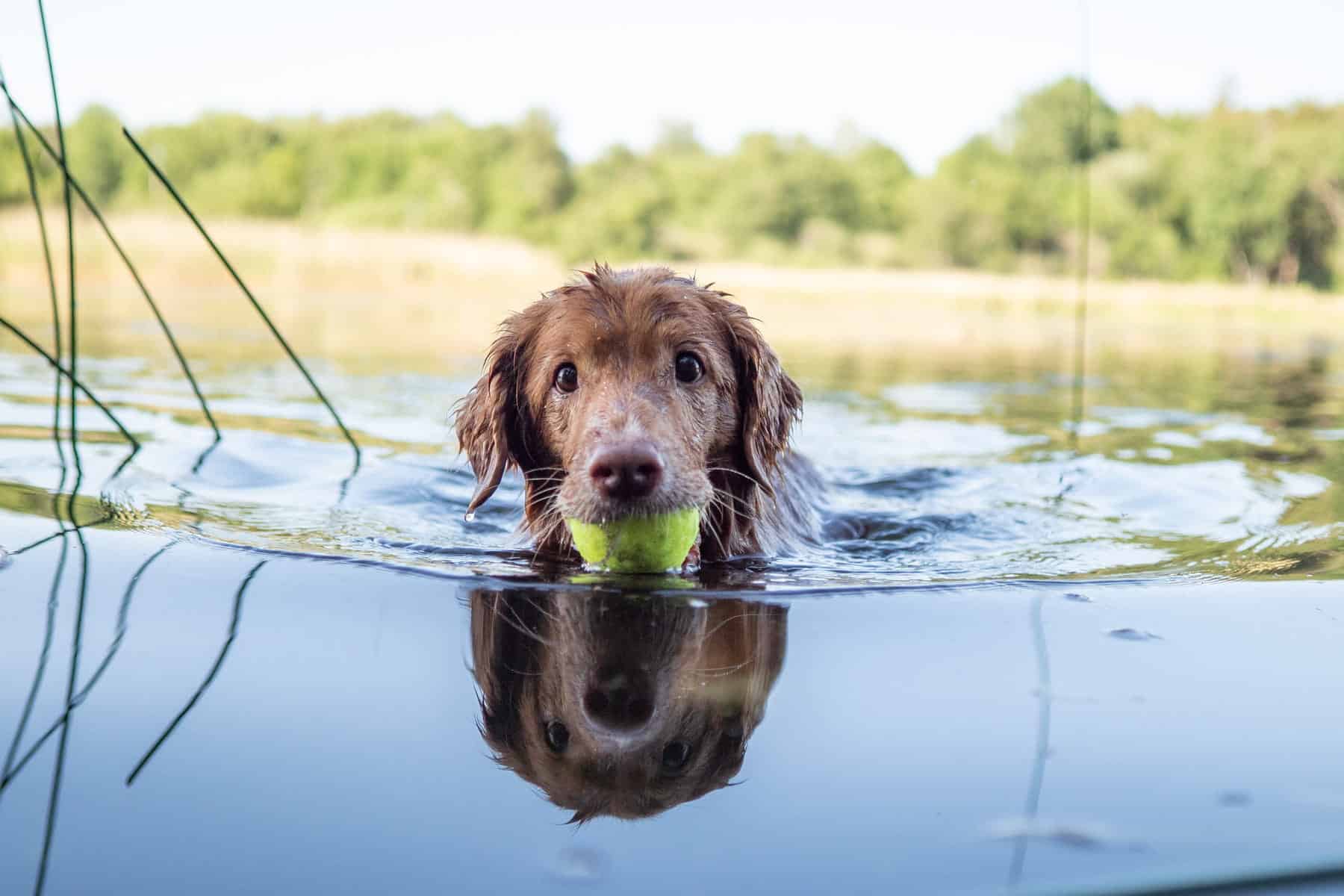
No, not every bloom is dangerous. Only a small share of the roughly 2,000 known species produce toxins, and a lot of green, murky water is completely harmless. The trouble is that a poisonous bloom and a harmless one look identical. There is no color, no smell, and no texture that separates them from the shore, which is why veterinarians treat every visible bloom as dangerous until a lab says otherwise. At Urgent Pet Animal Hospital in El Cerrito, CA, we would far rather see a healthy dog who got rinsed off as a precaution than a sick one who swam in the wrong pond three hours ago.
This stuff is not really algae at all. It is a group of bacteria called cyanobacteria, and when the water is warm, slow moving, and rich in runoff nutrients, it multiplies into mats that look like spilled paint or pea soup on the surface. Some colonies release toxins that go after the liver, the nervous system, or the skin. Dogs take the worst of it because they swim, they gulp water while they swim, and they lick their coat dry afterward.
This Article Will Address
- Why only some blooms are poisonous, and why that does not make any of them safe
- The warning signs of algae poisoning and how fast they show up
- What to do in the first few minutes after your dog comes out of the water
- Whether cats face the same risk
- How treatment works and how to keep your pet away from exposure entirely
What Are the Symptoms of Blue-Green Algae Poisoning in Dogs?
Signs depend on which toxin the bloom released, and they run from stomach upset to seizures and collapse. Watch for any of the following after your dog has been near untreated water:
- Vomiting, diarrhea, or black, tarry stool
- Weakness, stumbling, or sudden collapse
- Pale gums or a yellow tint to the gums and eyes
- Heavy drooling, watery eyes, or muscle tremors
- Seizures, disorientation, or unresponsiveness
- Labored breathing or gums that look blue or gray
- Redness, hives, or blistering where the water touched the skin
Liver toxins called microcystins cause the vomiting, weakness, and jaundice picture. Nerve toxins called anatoxins cause the tremors, seizures, and breathing trouble. A third group irritates the skin, and those cases carry by far the best outlook, though they still need treatment. Any one of these signs after a swim is a reason to call, not a reason to wait and watch.
How Quickly Do Signs of Algae Poisoning Appear?
Very quickly. Dogs exposed to nerve toxins can start showing symptoms within 15 to 20 minutes, sometimes before the car ride home is over. Liver toxins move slower, typically producing the first signs somewhere between one hour and several hours after exposure.
That narrow window is the whole reason this topic gets its own article. A dog who looks perfectly fine shaking off at the trailhead can be in serious trouble by dinner. The pets who do best are the ones whose owners called while the dog still seemed normal, because decontamination works far better before toxins finish absorbing.
How Long After Exposure Can a Dog Get Sick?
Most dogs who are going to get sick show it within the first several hours, but liver injury can surface a day or two out, and a dog who pulls through the initial exposure may carry lasting liver damage afterward. Plan on watching closely for a full 48 hours.
Watch appetite, energy, gum color, and stool during that stretch. A dog who goes quiet, refuses breakfast, or seems unsteady on day two deserves the same urgency as one who collapsed on day one. Bring details when you call: which body of water, what time, whether your dog drank, and whether the surface had visible scum or foam.
What Should I Do if My Dog Swam in Algae?
Call a veterinarian right away and stop your dog from licking their coat. Those two moves matter more than anything else you can do in the first few minutes.
- Call before symptoms start rather than after, since early decontamination is the part that changes outcomes
- Rinse your dog thoroughly with clean fresh water, wearing gloves so the toxins do not get on your own skin
- Keep your dog from grooming, because a wet coat holds the bacteria and licking delivers a second dose
- Do not try to make your dog vomit at home, since vomit entering the lungs causes its own life-threatening problem
- Write down the location, the time, and whether your dog swallowed any water
When you call us about possible urgent pet care, our staff assesses the situation on the phone before you ever arrive. That call decides whether a same-day appointment here is the right move or whether your pet should go directly to a 24-hour hospital with a critical care unit. Either way, contact Urgent Pet first so you are not guessing.
Are Cats at Risk from Toxic Algae Too?
Yes, though poisoning is far less common in cats simply because they rarely go swimming. The danger for cats is quieter: an outdoor water bowl left out for days, a birdbath, a decorative pond, or a fountain that has gone stagnant in warm weather.
Cats also groom constantly, so even a brush against contaminated water can end up swallowed. If a cat does need to be seen, stress makes everything harder, which is why our hospital keeps separate housing areas for cats and dogs and uses certified fear-free cat cages. A frightened patient is a harder patient to assess accurately, and that matters a great deal when minutes count.
How Do Vets Treat Cyanobacteria Poisoning?
There is no antidote, so treatment comes down to removing whatever toxin has not yet absorbed and then supporting the organs it targets. Care usually includes decontamination, intravenous fluids, medications for tremors and seizures, liver support, oxygen when breathing is affected, and repeated in-house bloodwork to track liver values and clotting.
Our veterinarians were recruited specifically for emergency room experience. We run our own laboratory, digital radiography, ultrasound, and monitoring equipment on site, so the diagnostics and treatment services a toxicity case needs happen here. What we do not have is an overnight critical care unit, and we will say so plainly. Severe liver or neurologic cases need round-the-clock hospitalization, and part of our job is recognizing that fast, stabilizing your pet, and getting you to the right place. Milder acute skin reactions from contact with a bloom are often handled start to finish in a single visit.
How Do I Keep My Dog Safe Around Lakes and Ponds?
Treat every bloom as toxic and keep your dog out of it. With no antidote available, prevention is doing almost all of the work here.
- Check posted advisories before you go, since agencies test recreational water and post warnings when a bloom is confirmed
- Keep dogs leashed near water that looks scummy, foamy, discolored, or unusually still
- Carry your own drinking water so your dog has no reason to drink from a pond or a puddle
- Rinse your dog off after any swim in untreated water, even water that looked clean
- Skip stagnant water entirely during warm months, when blooms multiply fastest
- Empty and refill outdoor bowls, birdbaths, and fountains at home on a regular schedule
One more thing worth knowing: boiling, camping filters, and purification tablets do not remove these toxins. Water that has been treated for drinking is not the same as water that has been made safe from cyanobacteria, so the only reliable protection is keeping your pet out of it in the first place.
Book a Same-Day Visit if Your Pet Was Exposed to Algae
We are open and taking same-day appointments right now. If your dog or cat swam in, waded through, or drank from water with any visible bloom, call Urgent Pet Animal Hospital in El Cerrito, CA before symptoms start. Our team will assess the situation on the phone, get you in quickly if that is the right call, and point you to the nearest 24-hour hospital if your pet needs a level of care beyond urgent care. Do not wait to see what happens overnight.
Sources
Julie Lowe, DVM
Dr. Julie Lowe (who also goes by Dr. J Lowe) graduated from the UC Davis School of Veterinary Medicine in 2021 and has a strong interest in emergency medicine, surgery, and internal medicine. You’ll often find her sitting on the floor with your pet, because her goal is always to create a calm and comfortable environment, especially when a pet isn’t feeling well. Outside of work, Dr. Lowe enjoys spending time with her dog, Pepper, singing, dancing, and continuing to grow in her veterinary practice.