What to Do if Your Pet Is Having an Emergency
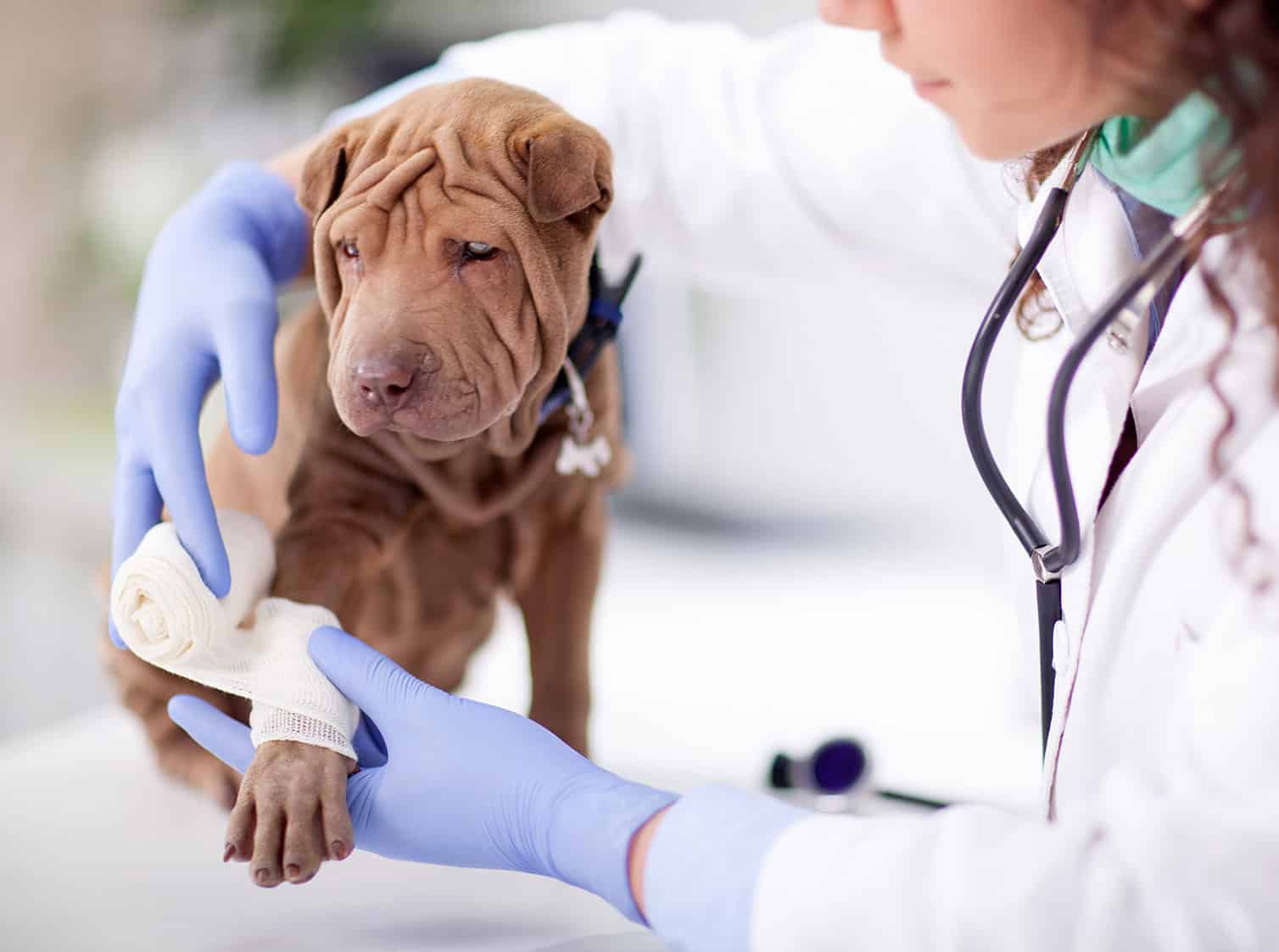
When your dog suddenly collapses or your cat stops eating and hides for hours, the first few minutes are frightening. Here is the short version: stay calm, call an emergency-trained veterinary team right away, describe exactly what you are seeing, and follow their instructions before you get in the car. At Urgent Pet Animal Hospital in El Cerrito, CA, your call is answered by people trained in emergency medicine who can tell you within minutes whether your pet needs to be seen now and where to take them. Fast, calm action gives your pet the best chance at a good outcome.
A pet emergency almost never happens at a convenient time, and having a plan before it does can turn panic into clear steps. This guide covers how to judge whether a symptom can wait, which warning signs demand attention right now, how urgent care and a 24-hour hospital differ, how to move a hurt or frightened animal safely, and the mistakes that can make a bad situation worse.
This Article Will Address
- Telling a real emergency from a problem that can wait
- The warning signs that mean your pet needs help now
- How an emergency hospital and urgent care are different
- When urgent care is the right choice instead of the ER
- Safely handling and transporting an injured or scared pet
- The common mistakes to avoid in the moment
How Do I Know if My Pet’s Symptoms Are an Emergency or Something That Can Wait?
If a problem came on suddenly, is getting worse by the hour, or involves breathing, bleeding, or your pet’s ability to stand, treat it as an emergency and call for guidance instead of waiting it out.
Most worried owners land somewhere in the middle, where a symptom is not obviously catastrophic but does not feel normal either. That gray zone is exactly where a phone call helps. Our team offers phone triage for urgent care for pets, so once you describe what changed and how your pet is acting, we can often tell you whether to come in now, watch closely at home, or head straight to a 24-hour hospital.
- Call right away if the change was sudden or severe
- Call if the symptom keeps getting worse over minutes or hours
- Call if your pet is in real pain, very weak, or simply not acting like themselves
- When you are unsure, make the call and let a trained team weigh it with you
What Symptoms Are Considered a Pet Emergency?
Certain signs mean your pet needs to be seen immediately, not tomorrow morning. The warning signs below point to conditions that can worsen quickly and warrant an immediate call and visit:
- Difficulty breathing, choking, or gums that look pale, blue, or white
- Collapse, sudden weakness, or an inability to stand or walk
- Seizures, or repeated vomiting or diarrhea, especially with blood
- Uncontrolled bleeding, or trauma from a car, a fall, or another animal
- Suspected poisoning, or swallowing something toxic or a foreign object
- A swollen, hard, or bloated belly, or straining to urinate with little coming out
- Facial swelling, hives, or breathing trouble after a sting or new food, which can signal a severe allergic reaction
This list is not complete, and it does not need to be. If something looks or feels wrong and you keep second-guessing yourself, that instinct is worth acting on.
What’s the Difference Between an Emergency Vet and Urgent Care for Pets?
An emergency hospital is built for round-the-clock critical care and overnight hospitalization, while urgent care handles serious but stabilizable problems quickly during open hours, without an overnight stay.
A 24-hour emergency vet is the animal equivalent of the ER: staffed overnight, equipped for intensive monitoring, and the right place for the most unstable patients. Urgent care sits between your routine vet and that ER, for problems that clearly cannot wait days but do not necessarily need an overnight ICU. Because we focus only on time-sensitive cases, wait times are usually shorter and diagnostics tend to be more cost-effective than a full emergency-room workup.
One important point: our emergency-trained doctors can see, triage, and stabilize any pet that comes through the door, including true critical cases. What we do not have is a 24-hour critical care unit, so if your pet needs continuous overnight monitoring, we stabilize them first and then help you get to the nearest hospital that provides it.
Can I Take My Pet to Urgent Care Instead of the Emergency Room?
Often, yes, and one phone call is the fastest way to know for sure.
Many of the problems that send owners racing to a crowded ER are a strong fit for urgent care: sudden vomiting, a limp that appeared overnight, a wound, a suspected sting, or a pet who simply is not themselves. When you call, we assess the situation by phone and tell you honestly whether to come to us or go straight to a 24-hour facility. If your pet turns out to need critical, continuous care, Dr. Buatois and our emergency-trained team will stabilize your pet and coordinate the transfer, so you are never left without help.
- A good fit for urgent care: sudden but stable illness, minor wounds, limping, ear or eye problems, and suspected reactions
- Go straight to a 24-hour ER: unconscious pets, ongoing seizures, severe trauma, or active heavy bleeding
- Not sure which one describes your pet? Call first and let our team point you to the right place
How Do I Safely Handle an Injured or Panicked Pet?
Move slowly, protect yourself from a fear bite, and support your pet’s body without twisting or forcing it. Even the gentlest animal can snap when it is hurt and scared, so approach calmly, speak in a low steady voice, keep your face away from the mouth, and avoid tight hugs or restraint.
- For a dog in pain, a soft muzzle or a strip of gauze can prevent bites, but never muzzle a pet that is vomiting, choking, or struggling to breathe
- Wrap a cat or small dog gently in a towel or blanket to keep them secure and warm
- For a larger dog, slide a board, a firm blanket, or another rigid surface underneath to use as a stretcher, keeping the spine as level as you can
- Support the body evenly, avoid twisting a possibly injured back or limb, and lift in one smooth motion
- Drive calmly, and if someone can ride along to steady your pet and call ahead, even better
Calling ahead while you travel lets our team get ready for your arrival so treatment can begin the moment you walk in.
What You Should Never Do During an Emergency
Do not give human medications, do not rely on home remedies you found online, and do not wait to see whether the problem passes on its own. In a scary moment, well-meaning instincts can backfire, and a few specific mistakes cause real harm:
- Do not give human painkillers such as ibuprofen or acetaminophen, which are toxic to dogs and cats even in small doses
- Do not induce vomiting unless a veterinarian or a poison control expert tells you to, because some substances do more damage coming back up
- Do not offer food or water if your pet may need sedation or surgery, or if they are choking, seizing, or barely conscious
- Do not pull out an impaled object or peel off a blood-soaked bandage, since that can restart heavy bleeding
- Do not burn time searching the internet when a two-minute call gives you an expert answer
If poisoning is a possibility, keep the packaging or a sample of what your pet ate, and call us or a poison hotline right away.
Get Same-Day Emergency Care for Your Pet in El Cerrito
When something is wrong, you do not have to figure it out alone. Urgent Pet Animal Hospital is open every day and ready to help pet families across the Bay Area, with same-day appointments, emergency-trained doctors, and advanced diagnostics under one roof. Call us the moment you have a concern, tell us what is happening, and let our team guide your next step. Explore our full range of urgent veterinary services, or book a same-day urgent appointment to get your pet seen right away.
Sources
Audrey Buatois, DVM
Dr. Audrey Buatois joined Urgent Pet as a full time Veterinarian in 2024. She had been working as a relief doctor at Urgent Pet since 2022. Born in Grenoble, France, Dr. Buatois grew up in Los Altos, California. She received her B.A. in Biology from Washington University in St. Louis in 2014. She returned to California to attend and graduate from UC Davis College of Veterinary Medicine in 2018. Upon graduation, Dr. Buatois completed a one-year small animal rotating internship at VCA Encina Veterinary Medical Center. She has been practicing as an emergency and urgent care veterinarian in San Francisco and the East Bay since that time.